 Guzman Garden Landscaping
Understanding the Basics of Synthetic Lawn Solutions
Are you considering upgrading your outdoor space with a low-maintenance option? You might be wondering about synthetic lawns and how they can benefit your home. This guide answers some common queries that homeowners have when exploring artificial turf. From benefits to maintenance tips, we aim to address your concerns thoroughly.
What Are the Advantages of Choosing Synthetic Turf?
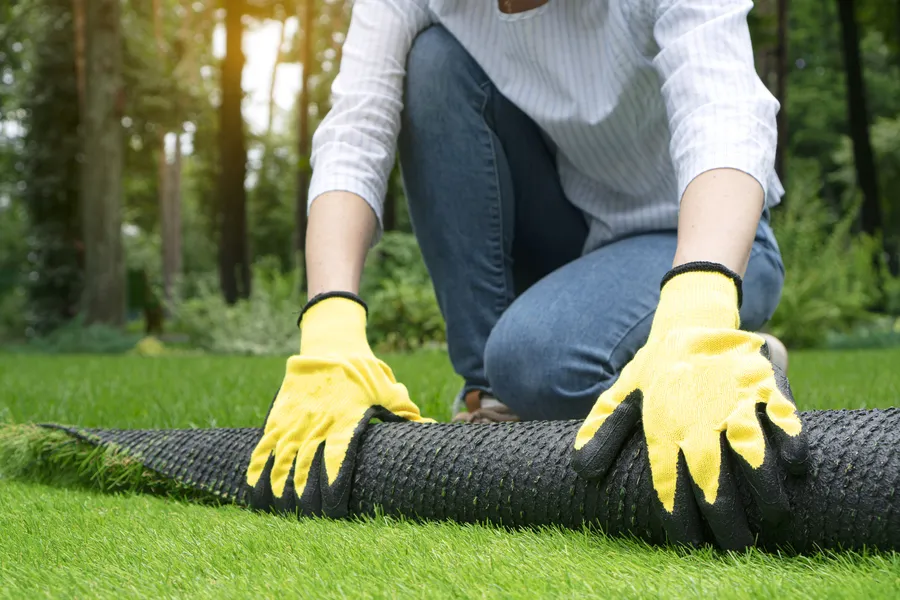
Synthetic turf offers several benefits that make it an appealing choice for many homeowners. First, it requires minimal maintenance compared to natural grass. Say goodbye to mowing, fertilizing, and watering. Another advantage is its durability. High-quality synthetic lawns withstand heavy foot traffic and harsh weather conditions without losing their lush appearance. Additionally, these lawns are eco-friendly as they help conserve water and reduce the need for harmful pesticides.
How Does Artificial Grass Installation Work?
The process typically begins with clearing the area of any existing grass or debris. Next, a base layer of aggregate material is laid down to ensure proper drainage and stability. The artificial grass installation involves carefully laying out the turf, cutting it to fit the space, and securing it in place. Edges are fixed using stakes or adhesive, ensuring the lawn stays in position. Sand infill may also be used to keep the blades upright and provide cushioning.
What Should I Expect Post-Installation?
After the artificial grass installation, you’ll notice a pristine lawn that looks great year-round. However, it’s important to understand some post-installation care tips. Lightly brushing the surface helps maintain the blade’s vertical position. Rinsing off dirt occasionally ensures your lawn remains clean and vibrant. Although durable, avoid placing hot objects directly on the turf as extreme heat can damage fibers.
Common Challenges of Synthetic Lawns
While synthetic lawns offer numerous advantages, there are challenges to consider. Some individuals find the upfront cost higher than traditional sod. However, this initial investment often pays off through reduced maintenance expenses over time. Another challenge is managing temperature; artificial lawns can become warmer than natural grass under direct sunlight. Luckily, newer products come with cooling technology to mitigate this issue.
Maintenance Tips for Your Synthetic Lawn
Maintaining your synthetic lawn is relatively simple but essential for longevity:
- Regularly remove leaves and debris using a leaf blower or broom
- Brush against the grain periodically to prevent matting
- Rinse spills immediately to avoid stains
- Check for any displaced areas and address them promptly
Factors Affecting the Cost of Synthetic Turf
Various elements influence the pricing of synthetic turf installations. Material quality is a significant factor-the better the quality, the higher the price. The size of your lawn also impacts cost, with larger areas needing more material and labor. Finally, specific features such as pet-friendly designs or cooling technologies may increase costs but provide added value and functionality.
Final Thoughts on Investing in a Synthetic Lawn Solution
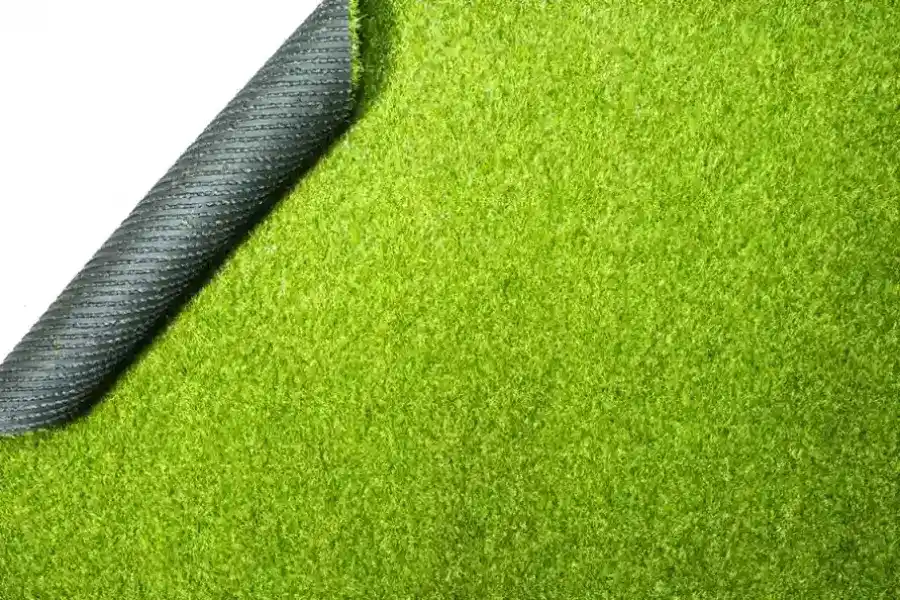
Opting for a synthetic lawn can greatly enhance your outdoor experience while reducing upkeep demands. As you plan for your new lawn, consider all aspects discussed above to make an informed decision. If you’re ready to explore this option further, Guzman Garden Landscaping is here to help transform your landscape. Contact us today at (951) 608-3826 for expert advice tailored to your needs. Located in Hemet, CA, our team ensures top-quality service every step of the way.